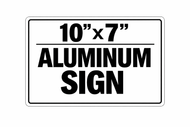
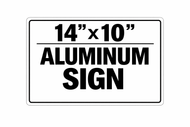
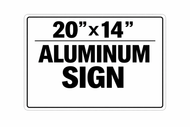
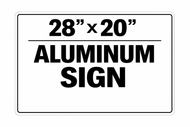
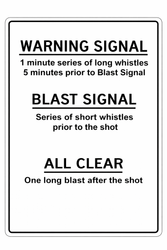
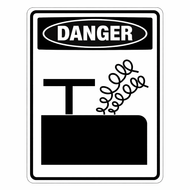
In the field of commercial blasting, clear visual communication isn’t just good practice—it’s a critical safety requirement. The “Aluminum Danger Signs” category offers heavy-duty, weather-resistant signage built specifically for the explosives and blasting industry. Printed on rigid aluminum substrates, these signs bring durability and clarity to blast sites, storage yards and restricted zones.
What makes these signs stand out:
Constructed on aluminum sheets for superior strength, rust resistance and longevity in harsh outdoor conditions (rather than cheaper vinyl or plastic).
A range of sizes to suit tiers of visibility: from compact 10″ × 7″ plates to large 36″ × 24″ hazard markers.
Pre-printed legends tailored to blasting needs: e.g., “Blasting Area Keep Away”, “Bilingual OSHA Danger – Explosives Keep Out”, “Turn Off 2-Way Radios”.
Part of a broader signage system for drilling & blasting professionals—covering vinyl stickers, magnetic signs, tagboards, reflective metal, and more.
In blast-zone environments with vibration, airborne debris, dust and shifting terrain, standard signage can degrade fast. Aluminum signs deliver the robustness needed.
Clearly marked danger zones help ensure compliance with safety regulations and site best practices—protecting both personnel and equipment.
Because they’re purpose-built for explosives tasks, the legends, sizes and materials align with the field workflows of blasting teams—avoiding generic signage that may not fully meet the need.
How to choose wisely:
Pick the size appropriate for the viewing distance and site layout—larger signs for longer sight-lines or overhead mounting.
Choose legends that precisely match your scenario (for example “Blasting In Progress” vs “Explosives Keep Out”) to avoid ambiguity.
Ensure the mounting location is visible from approach paths, access roads and work zones, and the sign is installed securely (so wind, dust and vibration don’t knock it loose).
When selecting sign material, aluminum offers excellent outdoor durability. If the sign is for indoor use or temporary tasks, smaller formats or alternate materials might suffice—but in blasting operations it’s often safer to stick with the rugged option.